The Art of Spotting Quality Gems
Shopping at outlets and secondhand stores is a bit like a treasure hunt, but knowing what to look for can significantly enhance your success. I always start by feeling the fabric. High-quality materials, like wool and cashmere, have a distinct texture that feels superior to cheaper synthetics. Checking the condition of clothing is crucial; I examine seams, hems, and linings. A garment with a sturdy seam is more likely to withstand wear and tear. And don’t forget buttons and zippers—missing or broken pieces can be a deal-breaker unless you're willing to do minor repairs. While browsing, it's essential to have an eye for alterations—items that can be easily tailored or repurposed are often worth buying. You can transform a long dress into a mini or turn a large shirt into a chic crop top. The key is to think creatively about how each piece might fit into your wardrobe. Lastly, while it’s tempting to grab everything with a designer label, don't be fooled. For expensive pieces, consider getting professional authentication to ensure authenticity, as fake designer items are being crafted more convincingly than ever. Approach each rack with an open mind and a touch of scrutiny, and those designer gems will soon find their way into your collection.
Sizing Shenanigans: A Quick Guide
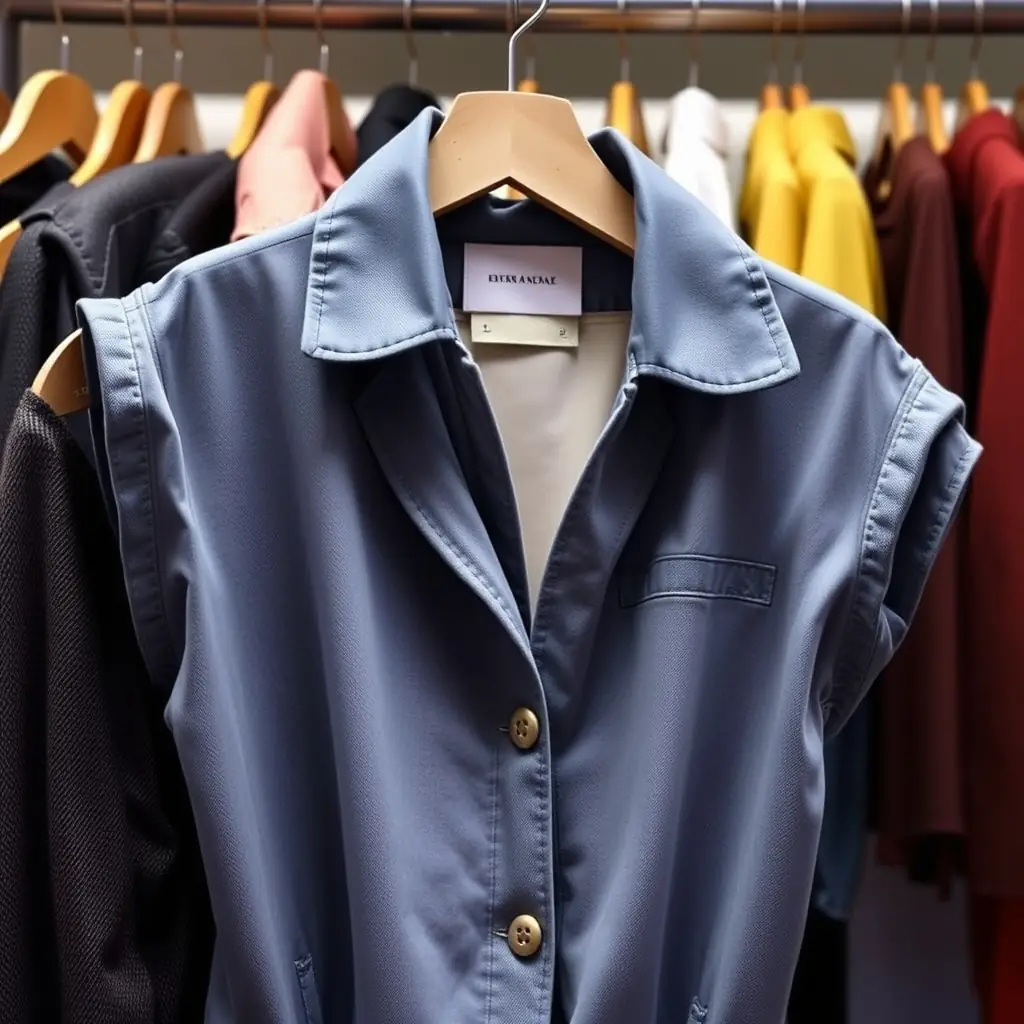
One of the trickiest parts of shopping at outlet and resale stores is navigating the array of sizes. Sizing varies widely between brands and even within a single brand's different lines. I've learned that it's essential to be flexible and often size up or down, rather than sticking rigidly to what you 'usually' wear. Trying clothes on, if possible, can save you from many disappointments later at home. Remember, it’s not about the size number; it’s about the fit. Look for garments that align well with your body shape, like pieces that accentuate your shoulders or your waist, whatever your preference. Thrift stores often feature vintage pieces, and vintage sizing can be incredibly different from modern standards. For instance, a vintage size labeled as 12 could equate to a modern size 6 or 8. I've found measuring tape invaluable—taking quick measurements of garments before heading to the fitting room, or before purchasing online, can make all the difference. Write down your measurements and keep them in your phone for easy access. Adaptability and patience are your allies when hunting through the racks, and finding that perfectly fitting gem makes the delve worthwhile.
Selling Your Treasures: What You Need to Know
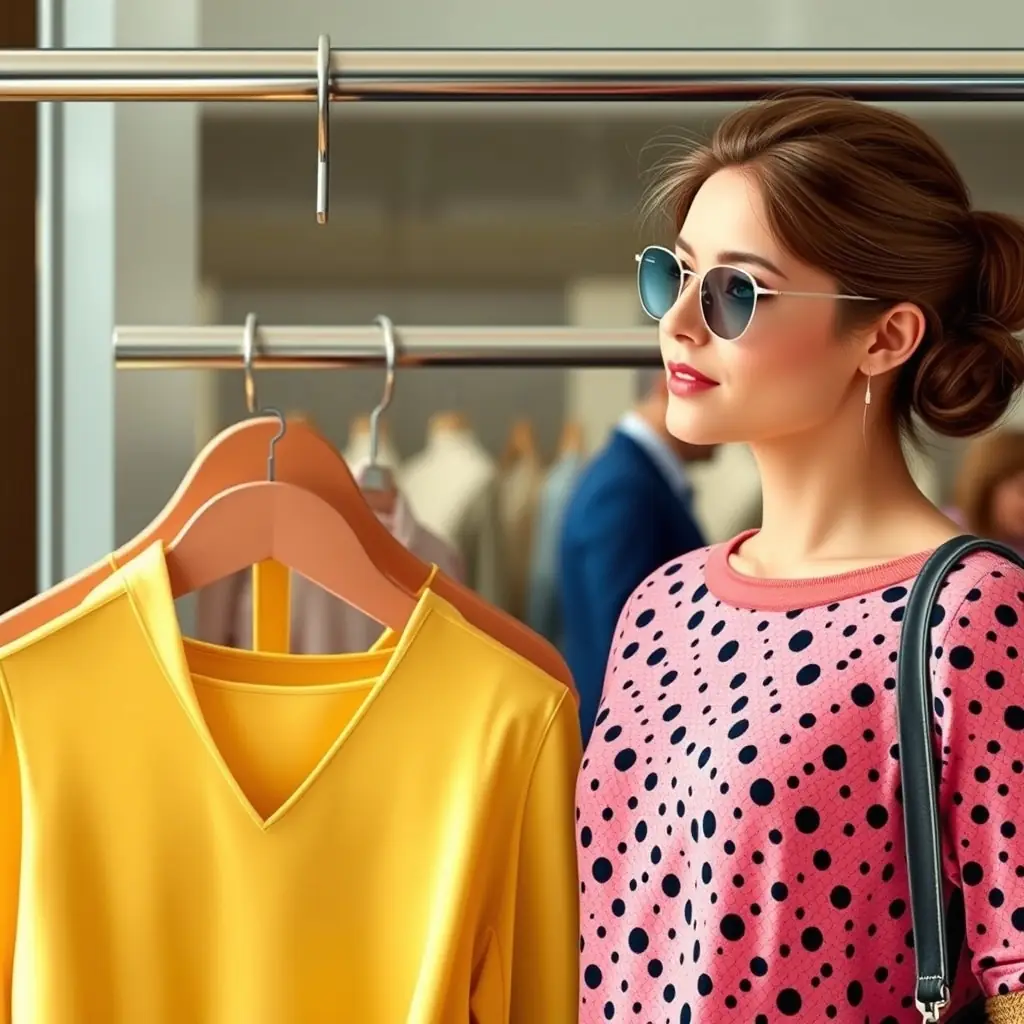
If you've ever considered selling your clothes at a resale store or through an app, there are a few things to keep in mind. First impressions count, so it's worth investing time in steaming or ironing your clothing to make them look their best. Presentation can significantly influence whether your items sell. Naming brands and flawless pieces are more likely to catch the buyer's eye. When setting prices, do some research on what similar items are selling for in the same marketplace. I check platforms like Poshmark or eBay to gauge the going rate for certain brands and styles. Honesty is key—disclose any flaws in your items, no matter how minor they seem, to build a trustworthy reputation as a seller. I find it helpful to take clear, well-lit photos that accurately represent the pieces, using natural light wherever possible to help the colors pop. Once your items are live, be prepared for questions from potential buyers. It’s a good idea to respond promptly and courteously to inquiries to keep a good reputation. Selling your clothing can be a rewarding way to refresh your wardrobe while earning extra cash, just make sure to approach the task with the same care as when you're shopping.