
Spotting High-Quality Fabrics and Stitching
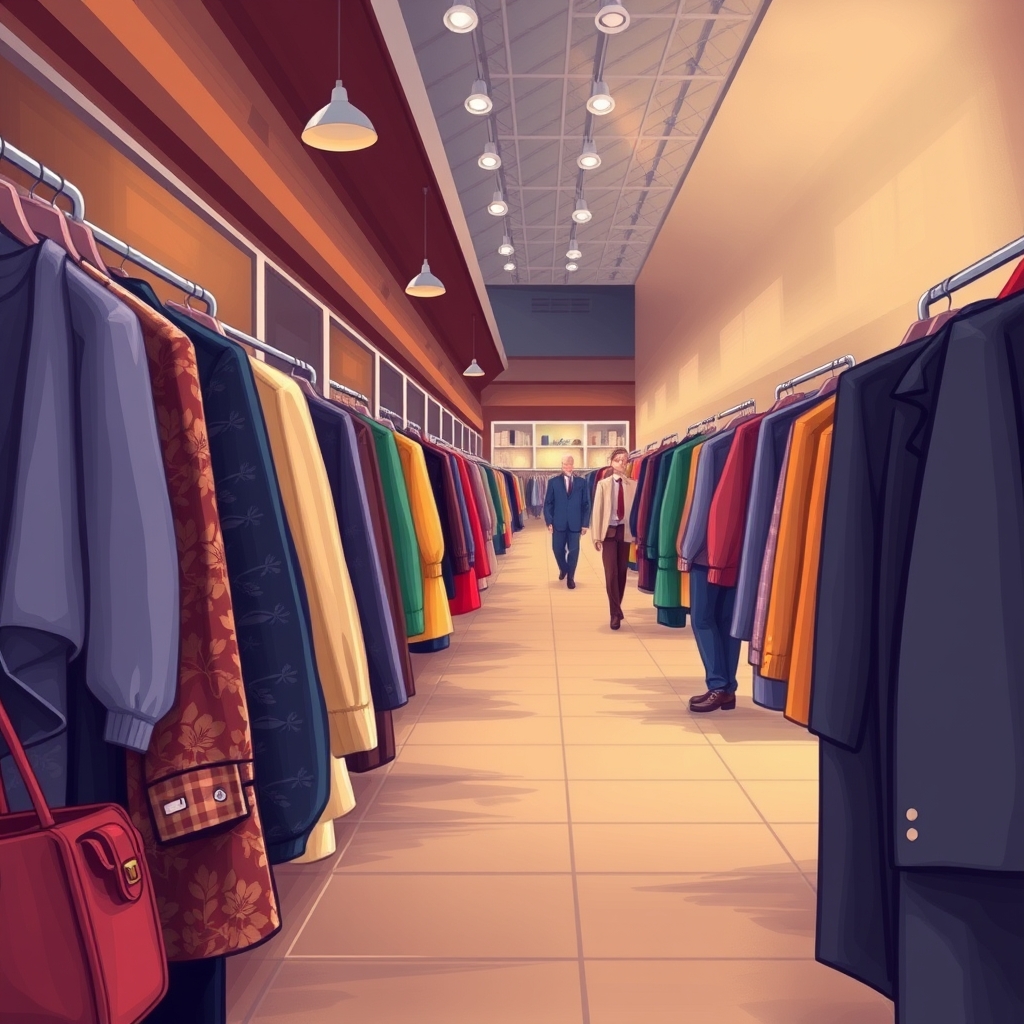
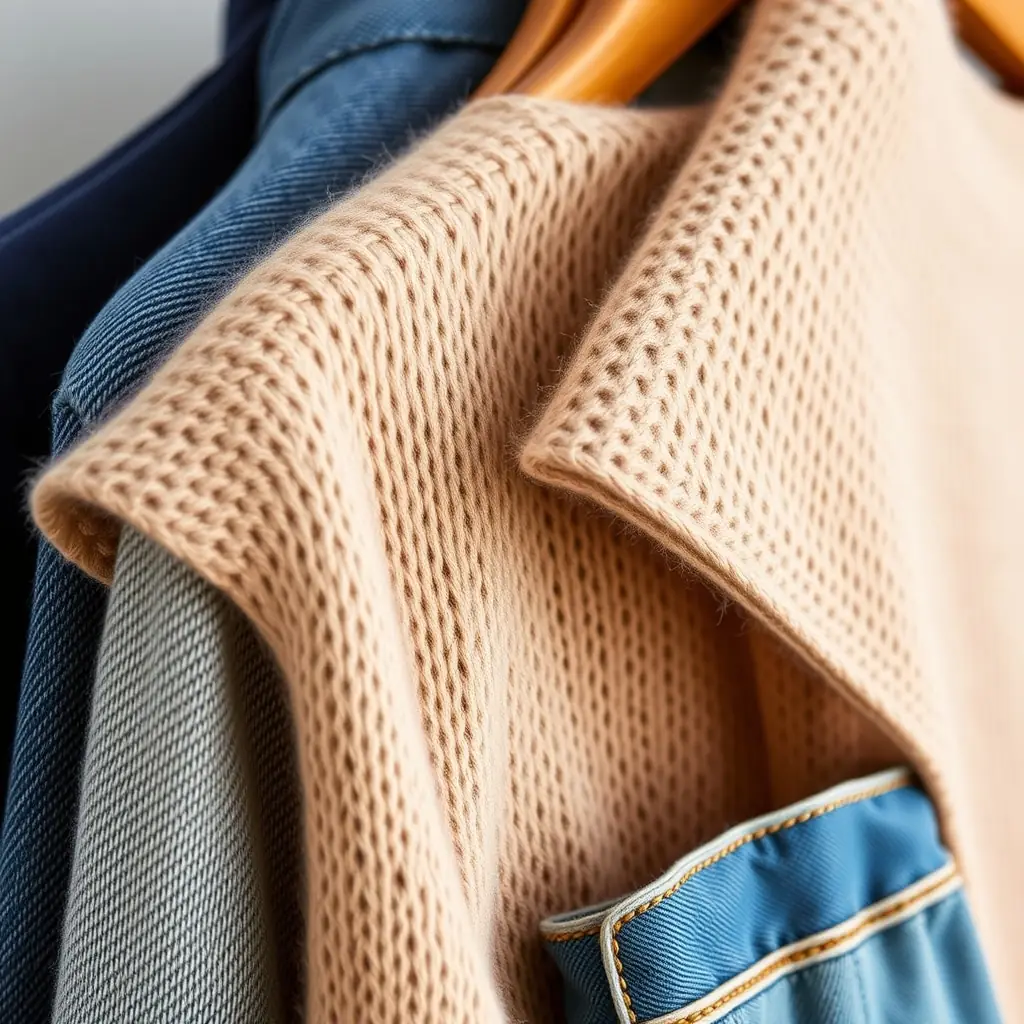
When I first started shopping secondhand, it took a minute to train my eye for quality. In the hustle and bustle of outlet racks and thrift heaps, what you usually see is what's at eye level. The true gems, however, often hide below. I make it a point to check for high-quality fabrics like wool, silk, and cashmere, which last longer and often outshine new synthetic pieces. Look closely at the stitching. Consistent, tight seams are a good sign of a garment's durability. Also, feel the fabric. A softer, heavier fabric often speaks to a garment's quality. And if checking tailoring details, make sure zippers run smoothly and buttons are firmly attached. Resist the urge to buy something solely because of brand recognition unless you're sure of the item's condition, especially on resale platforms. For higher-end items, consider leveraging professional authentication services to confirm authenticity. Remember, even minor defects like loose threads or a lost button can be quickly remedied at home or a local tailor's shop, making these finds true bargains in your wardrobe.
Decoding Sizing Differences Across Brands
Sizing variances are the bane of secondhand shopping. I learned early on that not all 'mediums' or 'size 10s' are created equal. To navigate this, I recommend bringing a measuring tape along with you. This simple tool has saved me from many a misfit. At outlets, sizes may differ even within the same brand due to special deals on seasonal or irregular stock. Always check the actual measurements against your own, especially on resale apps where returns can be cumbersome. When trying on clothes in-store, don't just rely on how it fits in static positions like standing still - move around a bit to see how it holds up. It's also helpful to know your general size conversion if you're shopping vintage or from international brands. Online, scrutinize item descriptions for noted alterations or seller notes on fit. Remember, knowing your measurements means fewer returns and more satisfying purchases.
Selling Your Clothing Smartly
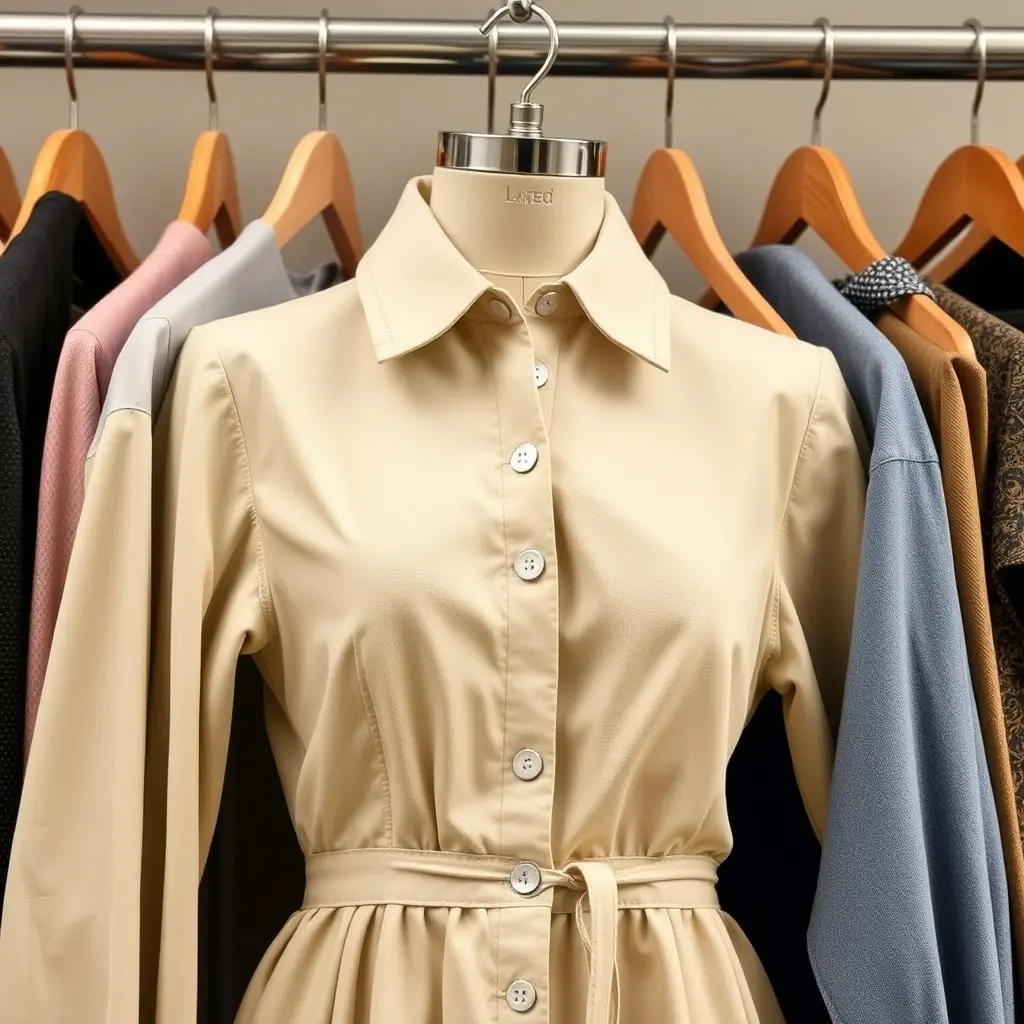
If you're stepping into the role of a seller, consider your potential buyers. Outlets and resale apps can be goldmines for both buying and selling. First, ensure your garments are clean and well-presented. Iron or steam out wrinkles, and if possible, display on a dress form or hanger for photos. Lighting is everything when taking pictures; natural light works wonders. I also draft a concise, honest description emphasizing unique details as well as any imperfections, so buyers know exactly what they're getting. When pricing, research comparable items being sold on your chosen platform. For high-demand brands or unique pieces, you can set your price a bit higher. Don't underestimate the power of 'bundling' items for a better deal or encouraging reviews from satisfied buyers to build your credibility. Doing all this gives you better odds in this competitive market and can transform a closet cleanup into cash.