
Spotting Quality in Seconds
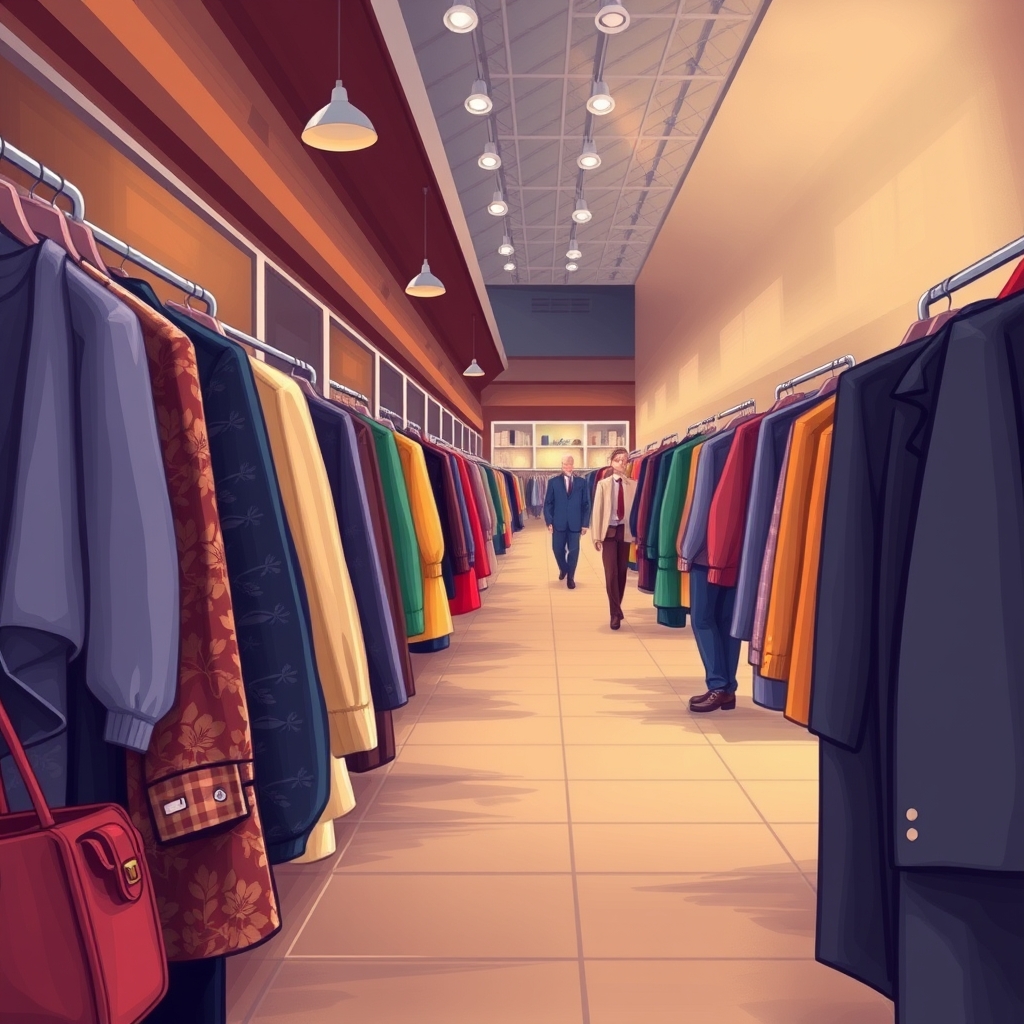
Thrift shopping is an art I’ve honed over years of sifting through racks. The first step is learning to quickly assess quality. This means understanding textile types and craftsmanship. Cashmere sweaters, for instance, should feel soft but not too fluffy, indicating they've been well cared for. Check the seams of blazers—you’re looking for tight, regular stitching, not frayed edges. Spend a moment examining the collars and cuffs, as these areas often reveal wear more prominently. Lighting can be tricky in some stores, so bring the piece close to a window to thoroughly assess its condition. And don't forget about the sniff test—smells can be hard to remove. This scan only takes a few minutes but saves you from buyer’s remorse. Lastly, knowing the days when new inventory is put out can help you access the freshest finds. For me, that's become an instinct; I've befriended local store employees who drop weekly hints. It’s about creating a relationship with your clothes right from the start. A successful thrift trip not only nets unique style pieces but also contributes to a sustainable wardrobe.
Understanding Sizing Differences
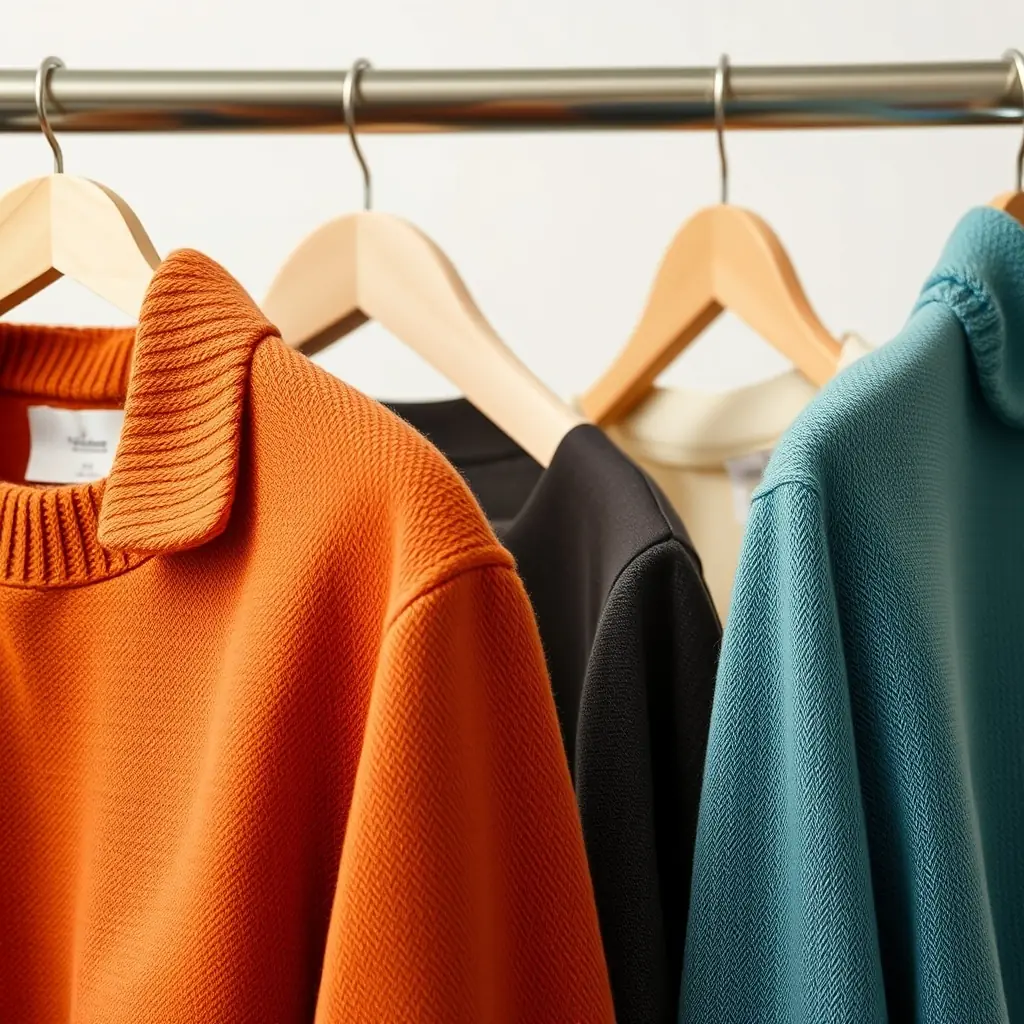
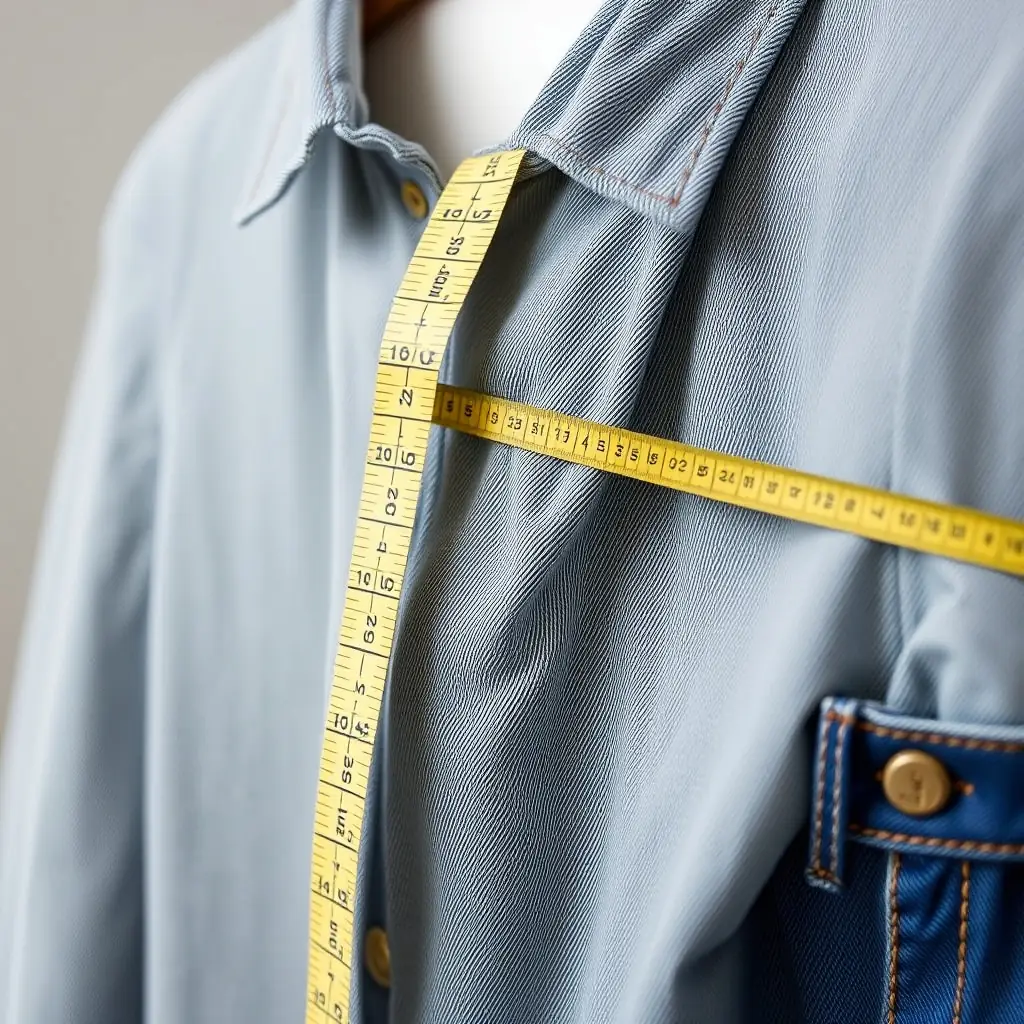
Vintage sizing could be a puzzle, but with practice, it becomes second nature. Key to navigating this is realizing sizes have shifted over decades. A 1950s size 12 might fit a modern size 6. I always bring a tape measure because labels can’t be trusted. Focus on measurements instead: bust, waist, hips for dresses, and inseam, waist for jeans. Pants are particularly tricky—vintage denim shrinks differently, so a snug waist might not mean uncomfortable wear. Trying items on is vital, but when fitting rooms are packed, measure a well-fitting piece at home and carry those numbers. Remember that fabrics like wool and denim mold to your body over time. Knowing these nuances makes steps towards tailoring easy and seamless. I’ve found that investing in inexpensive alterations by a trusted tailor transforms a perhaps ill-fitting outfit into a custom piece. It’s a personal craft enhanced by knowledge about materials and sizing that puts you ahead in finding those thrifty gems.
Selling Your Clothes the Right Way
Resale involves knowing the market trends. Once I realized my closet had some untapped treasures, I started my venture into apps like Poshmark and Depop. Here’s what I've learned: presentation is everything. Ensure clothes are well-cleaned and use natural light when photographing. A plain background—white if possible—makes your item pop. Descriptions should be honest and detailed about any flaws. Understand keywords buyers might search for—'vintage,' 'bohemian,' 'designer.' Timing your listing just before peak shopping hours enhances visibility. Tackling seasonal trends also maximizes returns; for instance, coats fetch higher in autumn. Communication with buyers is crucial—be prompt but polite. Building a rapport often leads to repeat business. By pricing competitively and learning from each transaction, selling becomes not just profitable but genuinely enjoyable. This mindful reselling not only keeps closets fresh but also feeds into a sustainable fashion loop, marrying the joy of fashion with eco-consciousness.