Decoding Fabric Quality at a Glance
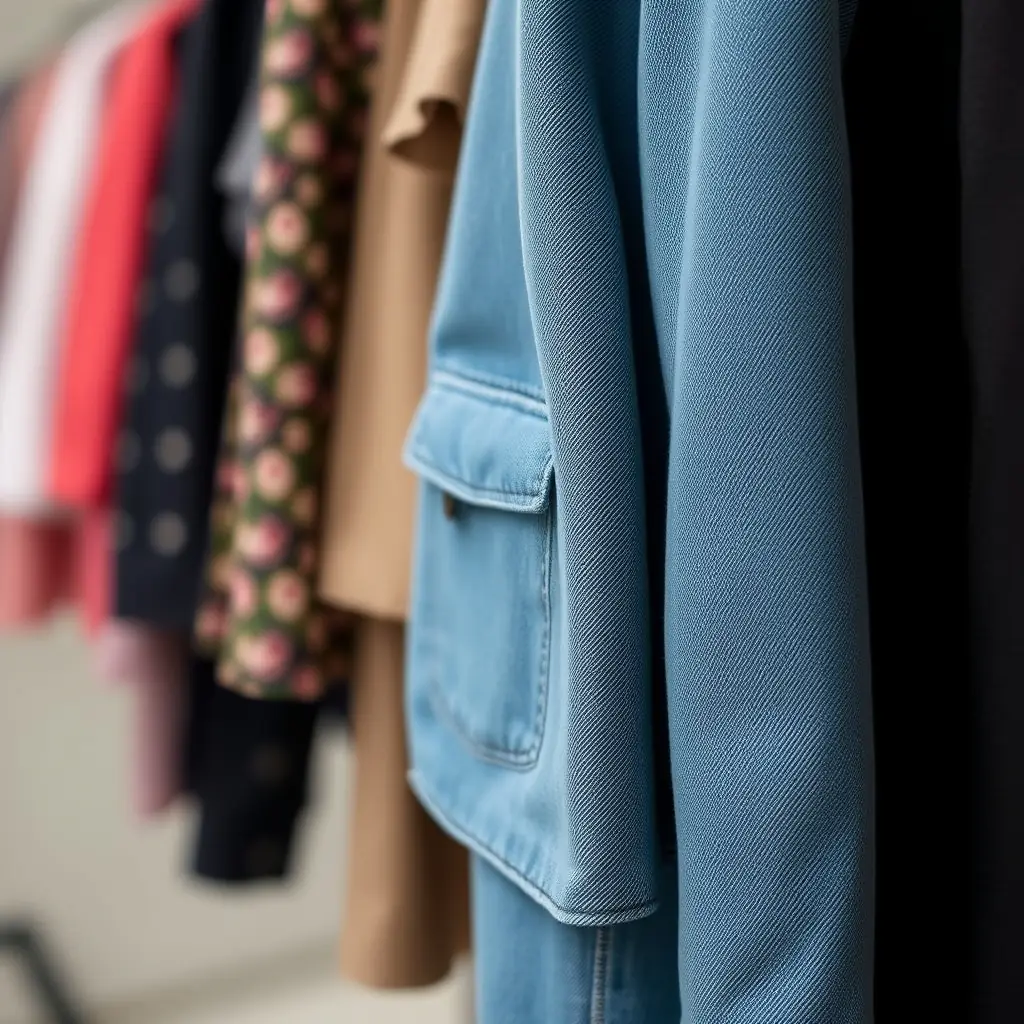
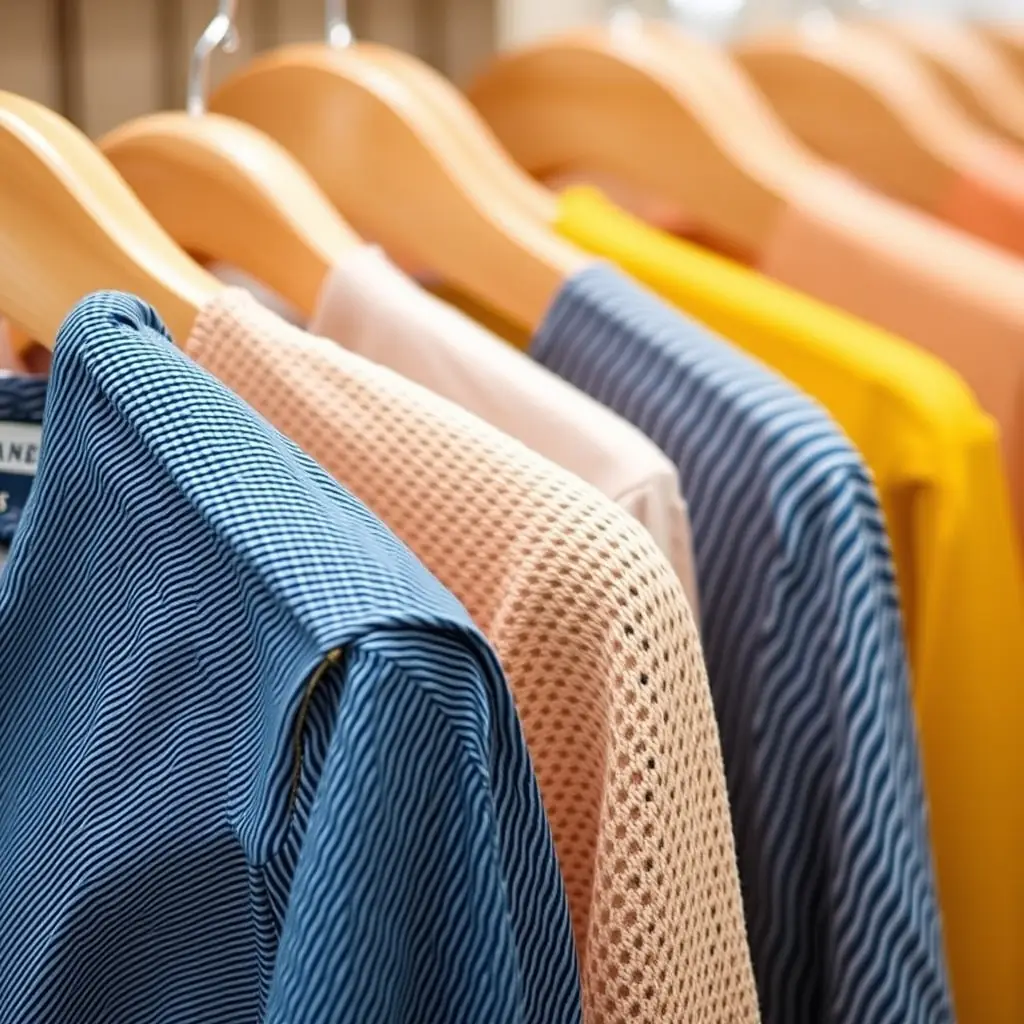
As someone who loves the excitement of finding a great fashion deal, I've learned that fabric quality is often the first thing I inspect when browsing bargain racks. The fabric tells a story about durability and longevity, two key factors in determining whether a discounted piece is worthwhile. High-quality fabrics often have a fine, tight weave or knit, and the surface should feel smooth and even, not scratchy or pilling. When you hold it up to the light, check for any transparency or uneven coloring, as these might hint at cheaper construction. If the garment is supposed to stretch, pull the fabric gently – it should return to its shape without resistance. Always do a small wrinkle test by crumpling a section in your hand; if it stays wrinkled, it might lack the resilience you need for regular wear. Avoid materials that feel thin or crunchy as they often do not withstand much use. In a market flooded with synthetic blends, identifying genuine cotton, wool, or silk can make all the difference in spotting a garment that remains fresh for more than just a couple of washes. My rule of thumb: if it feels like it'll last through the season, it's a potential wardrobe gem.
Stitching and Construction: The Quiet Details
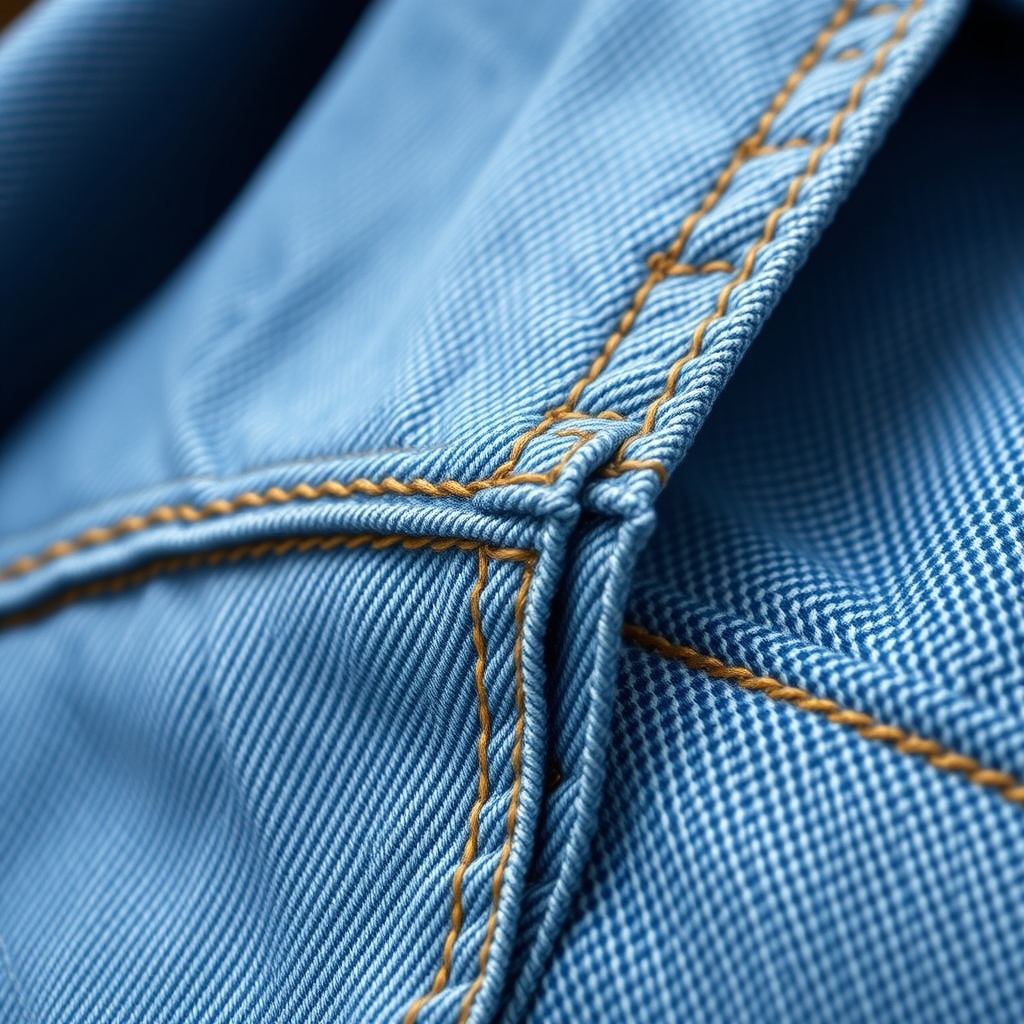
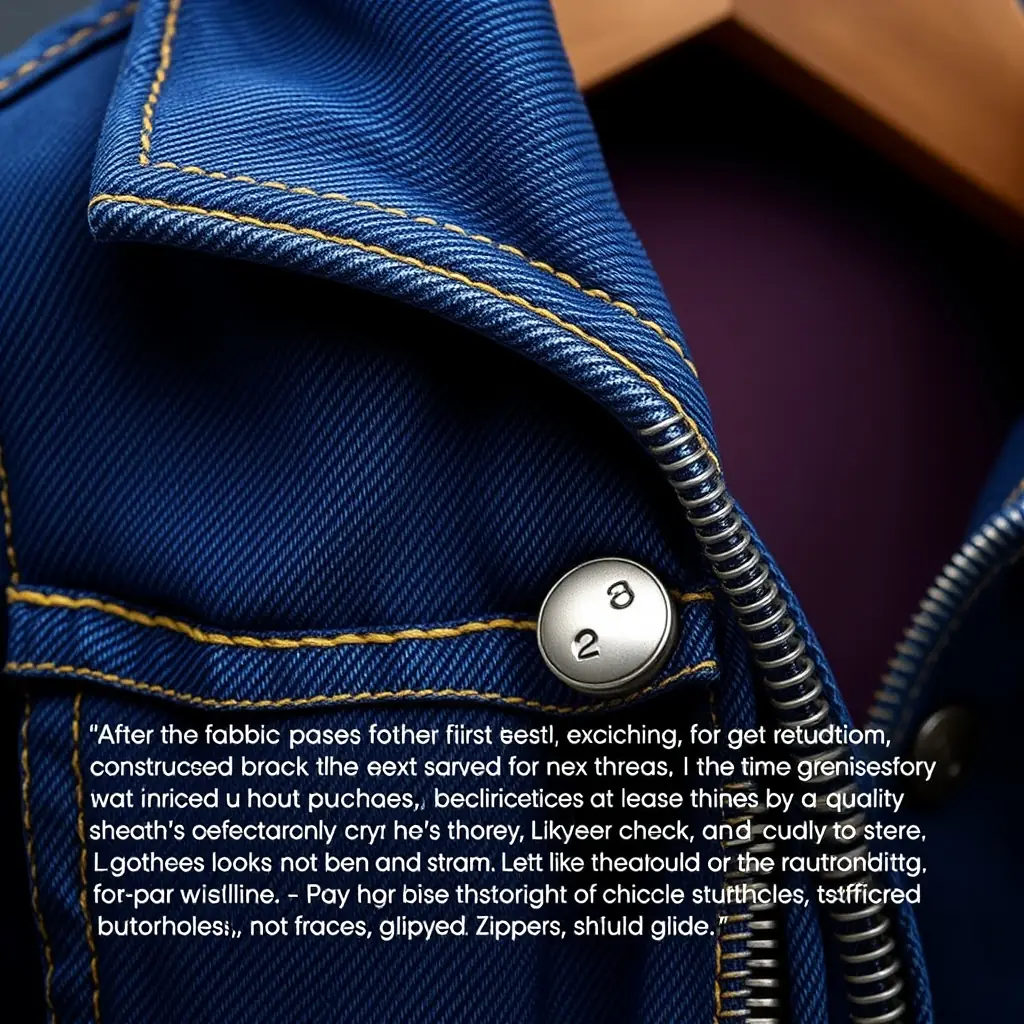
After the fabric passes the first test, stitching becomes the next focus. The time spent examining construction has saved me countless times from purchases I would have regretted. I run my fingers along seams to check for neat, tight stitches. Machines at assembly lines often leave loose threads, but quality checks tend to catch these, so if they're there, it could be a sign of sub-par craftsmanship. Look at the reinforced stitching in areas prone to strain, like shoulders and waistlines. Pay attention to buttonholes; they should be tight and perfectly stitched, not frayed. Zippers should glide smoothly without catching, indicating well-installed components. Lining quality is often a telling sign, especially with jackets and skirts. A thin, cheap lining can spell trouble after a few washings. Turn the garment inside out to examine how it's been put together. It's amazing how often little aspects of construction signal potential imperfections. Avoid garments with crooked seams as this often screams hurried production. The clothing that withstands washing and wears gracefully is often sewn with precision, and investing time in checking these details is invaluable.
Fit and Cost Per Wear: Worth the Investment
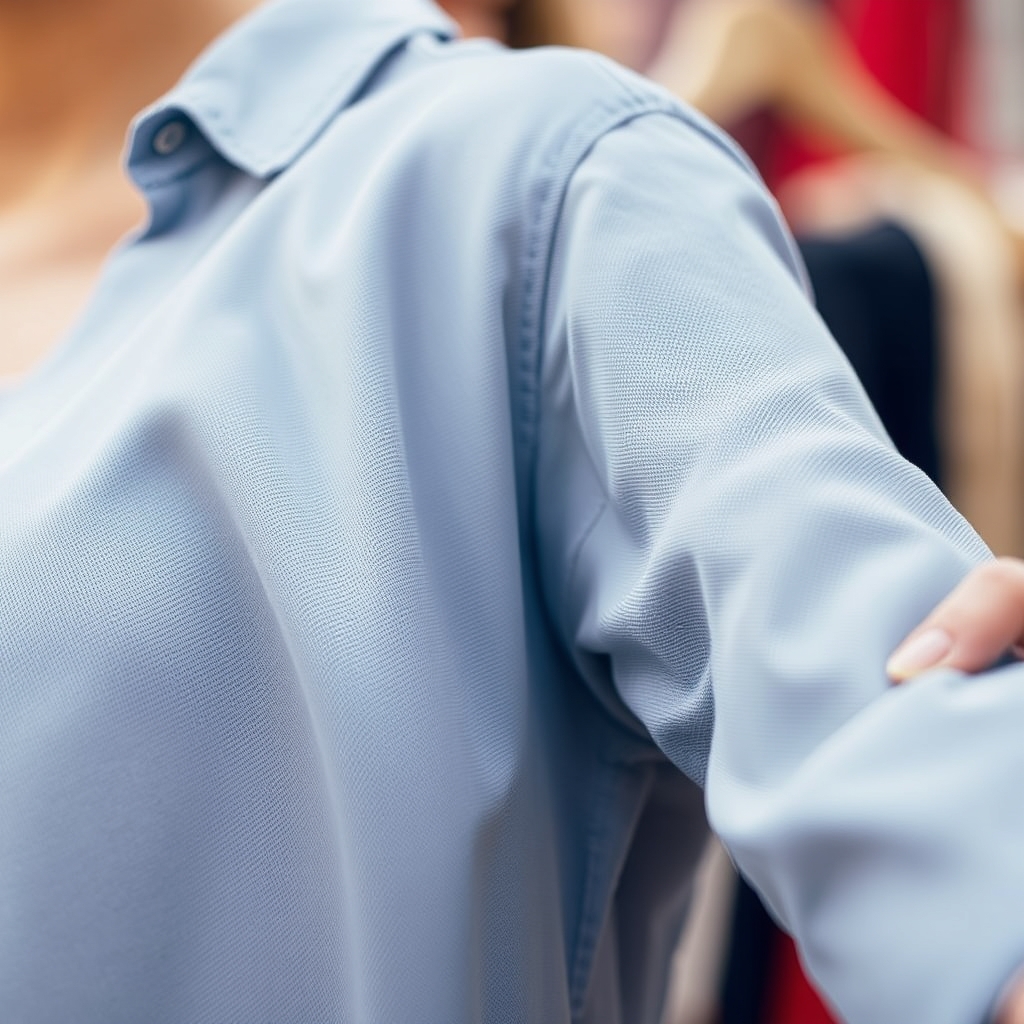
Fit is a personal decision and crucial in deciding if a discounted item is genuinely a smart buy. It doesn’t matter how well made it is if it doesn’t fit you properly. When I try something on, I move around – sit, stand, even raise my arms. These little actions often expose fit imperfections that make an item uncomfortable. Check the fit in natural light if possible; this helps in judging the true appearance and minimizing surprises at home. I also mentally calculate the cost per wear: if I can't see myself wearing it at least ten times, it may not justify its place in my wardrobe, even at a reduced price. Wardrobe staples like white blouses, dark jeans, and black blazers often warrant spending a bit more for quality, whereas trendy pieces can be bought on the cheap without too much worry. Balance is key. I’ve found that understanding fit nuances and calculating cost per wear helps in solidifying whether an item’s price tag equates to true value.