
Evaluating Fabric and Stitching
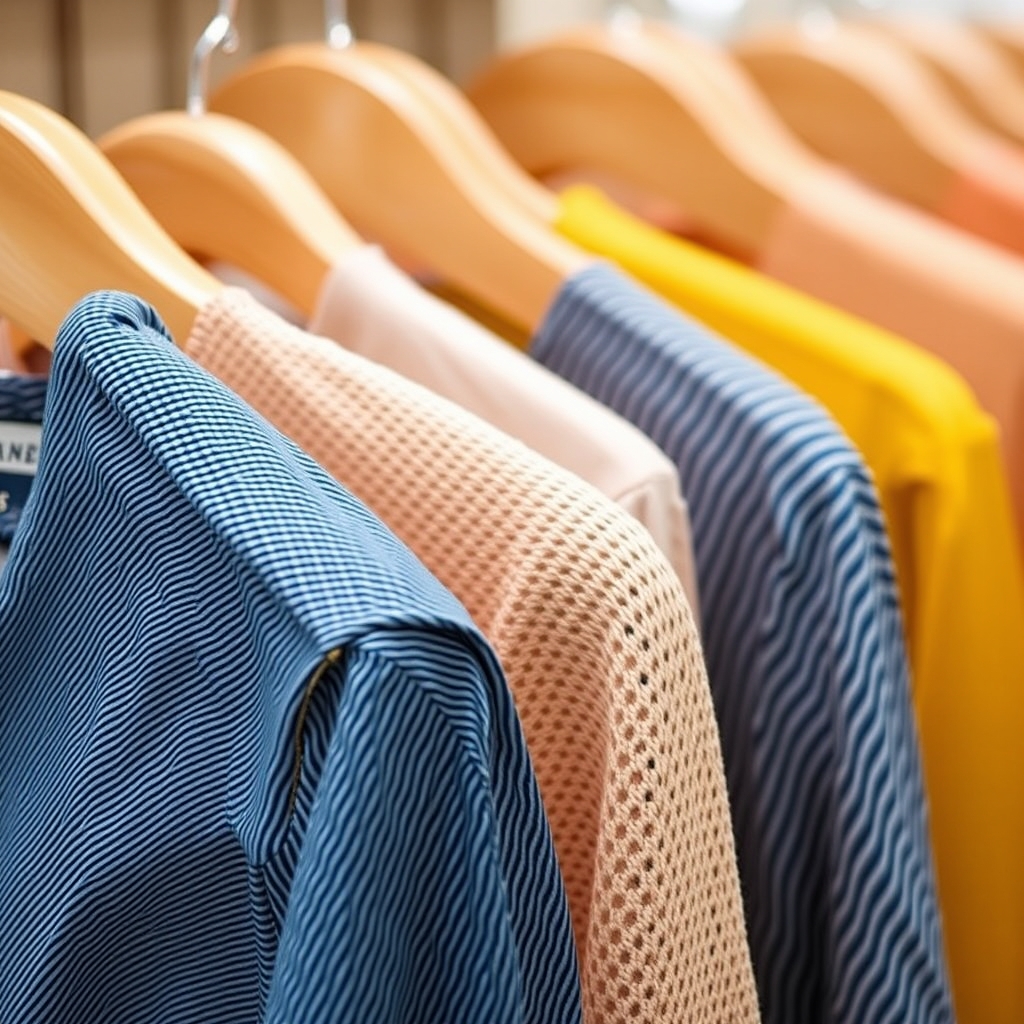
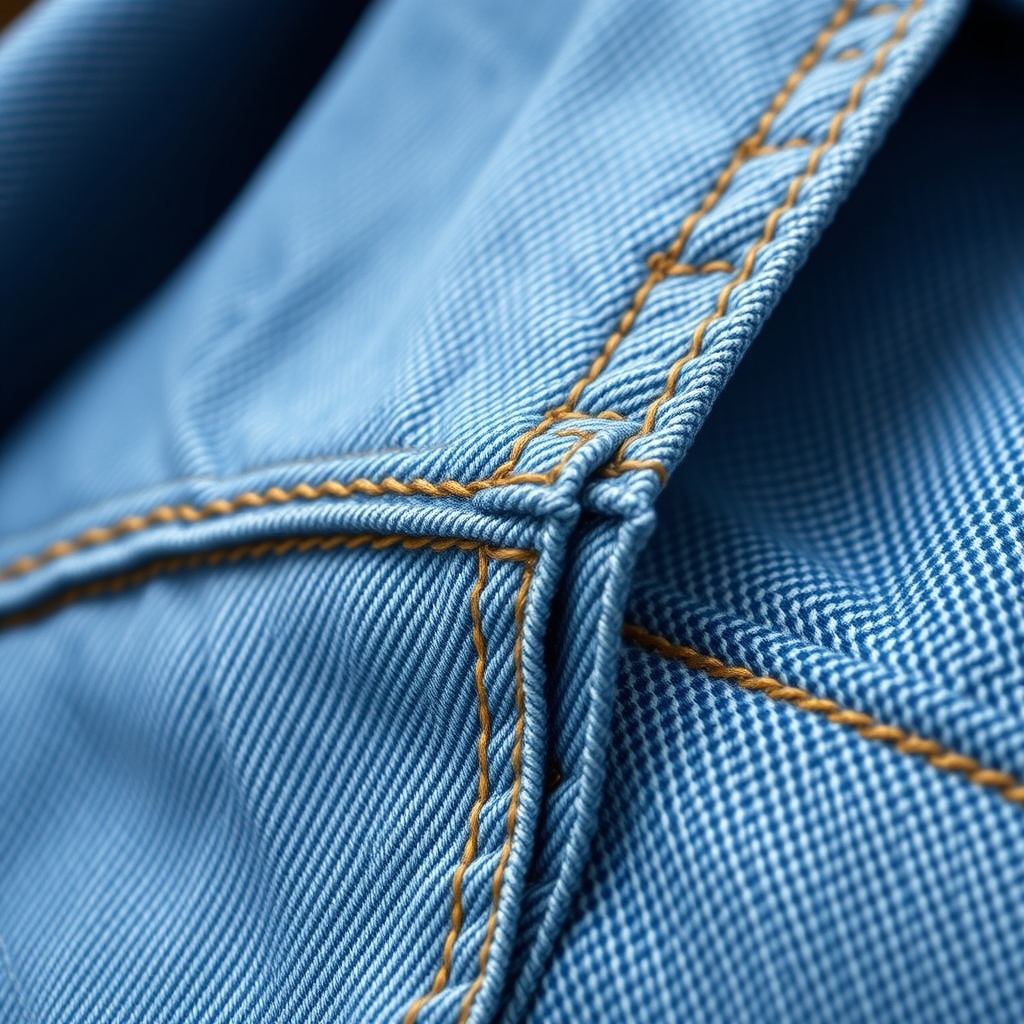
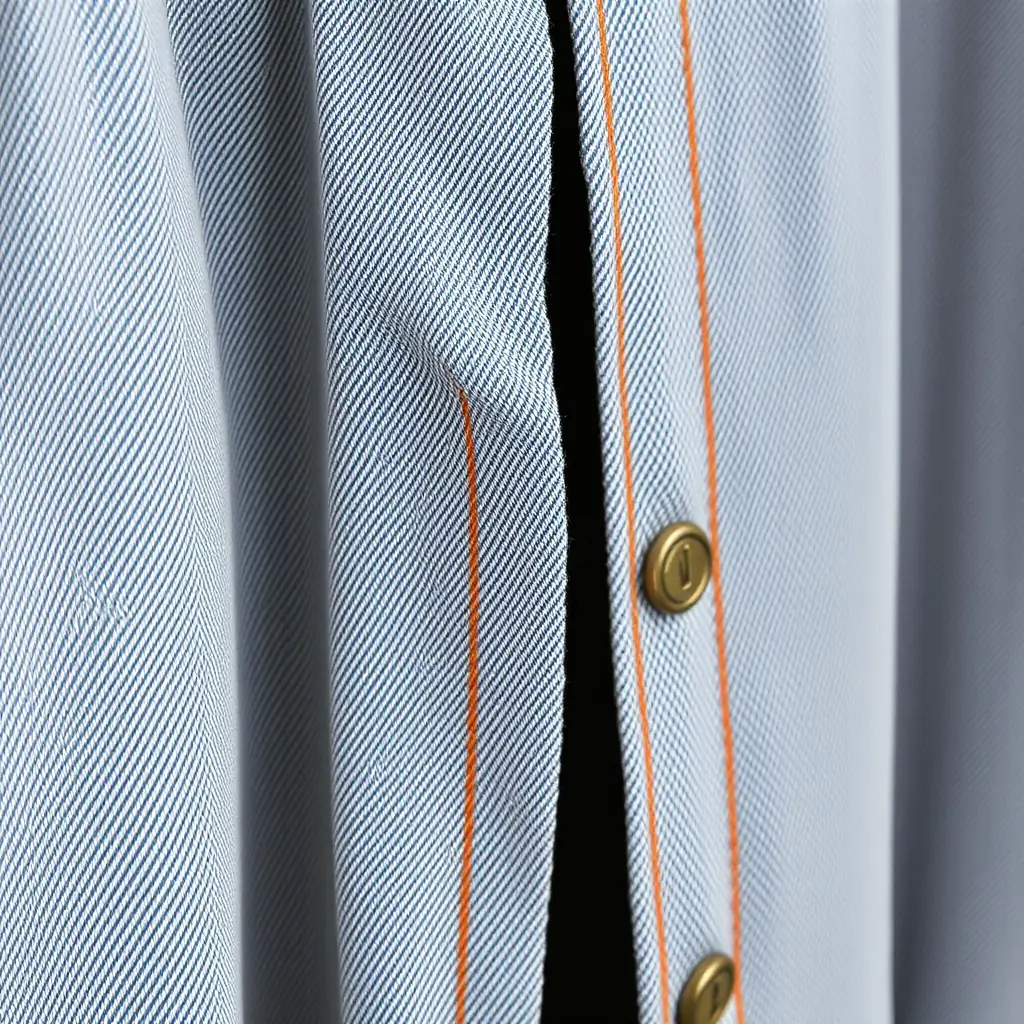
Discounted fashion pieces can be a goldmine, but it’s crucial to assess quality before heading to the checkout. Examine the fabric first. I always look for natural fibers like cotton or wool, which age well and breathe better. A tell-tale sign of low quality is a fabric that feels too thin or stretches out of shape easily. Next, turn your attention to the stitching. Flip the garment inside out to inspect the seams—good stitching will be even and tight with no loose threads. Another trick is the pull test: gently tug at the seams, and if they don't pull apart, you've likely found a decent piece. Avoid items with noticeable puckering or irregular stitching, as these often signal shortcuts in manufacturing. Don't forget to check zippers and buttons for ease of use and durability. It's not uncommon to find buttons hanging by a thread on sale items. A few minutes spent scrutinizing these details can save you from regret over a lackluster purchase that won’t stand up to frequent wear.
Calculating Cost per Wear
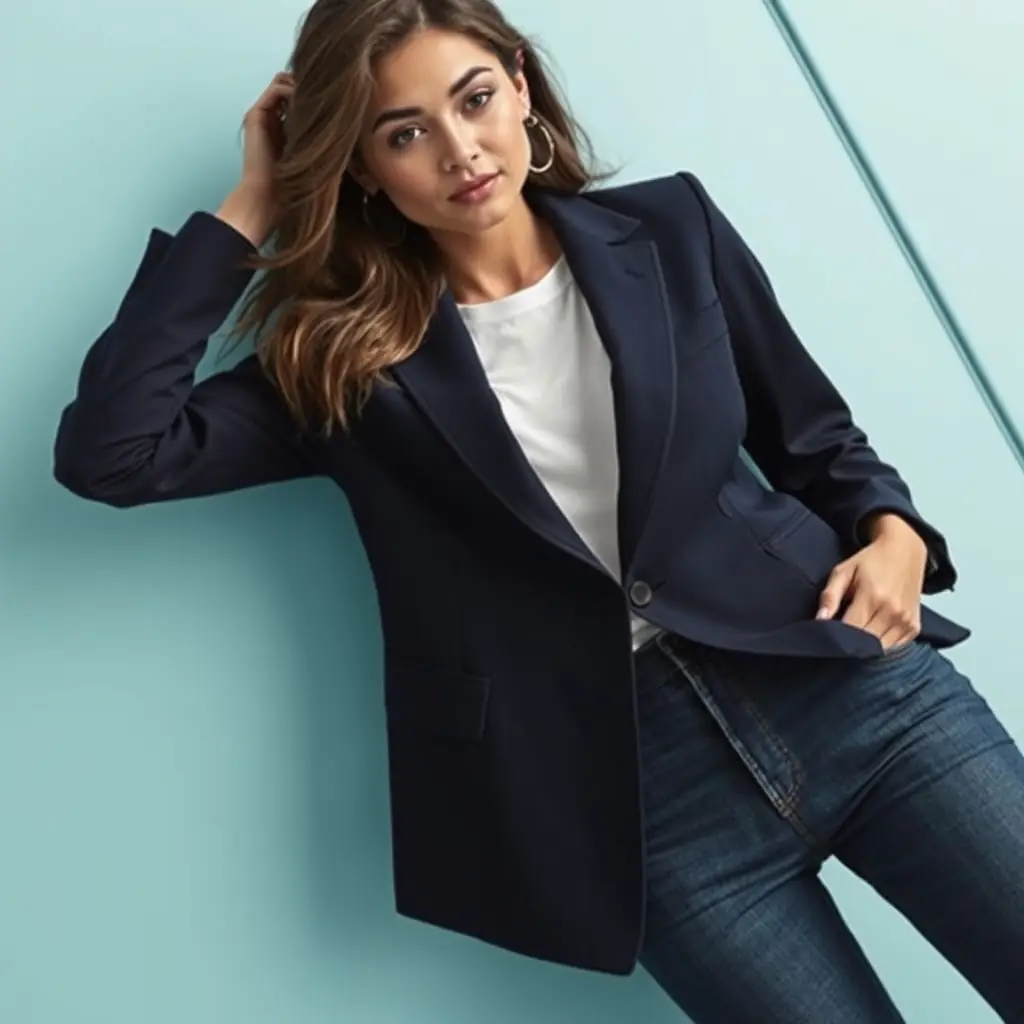
Ever bought a cheap top that sat untouched in your closet for months? That's the cost per wear trap; even if an item costs $10, it’s only a deal if you actually wear it. To avoid this, I mentally calculate how many wears I’ll get from a piece. For example, consider a stylish but discounted blazer at $50; if I foresee wearing it to work two days a week for four months, that’s approximately 32 wears—bringing the cost per wear to about $1.50. A versatile piece shares time with multiple outfits, increasing its wearability. On the flip side, an unusual print might feel trendy today but unappealing tomorrow. Aim for flexibility and timelessness. Neutral colors and classic cuts can elevate basics to indispensable staples. By evaluating cost per wear rather than just the sticker price, you justify a purchase and build a wardrobe that feels truly worthwhile.
Invest or Save: Knowing When to Splurge
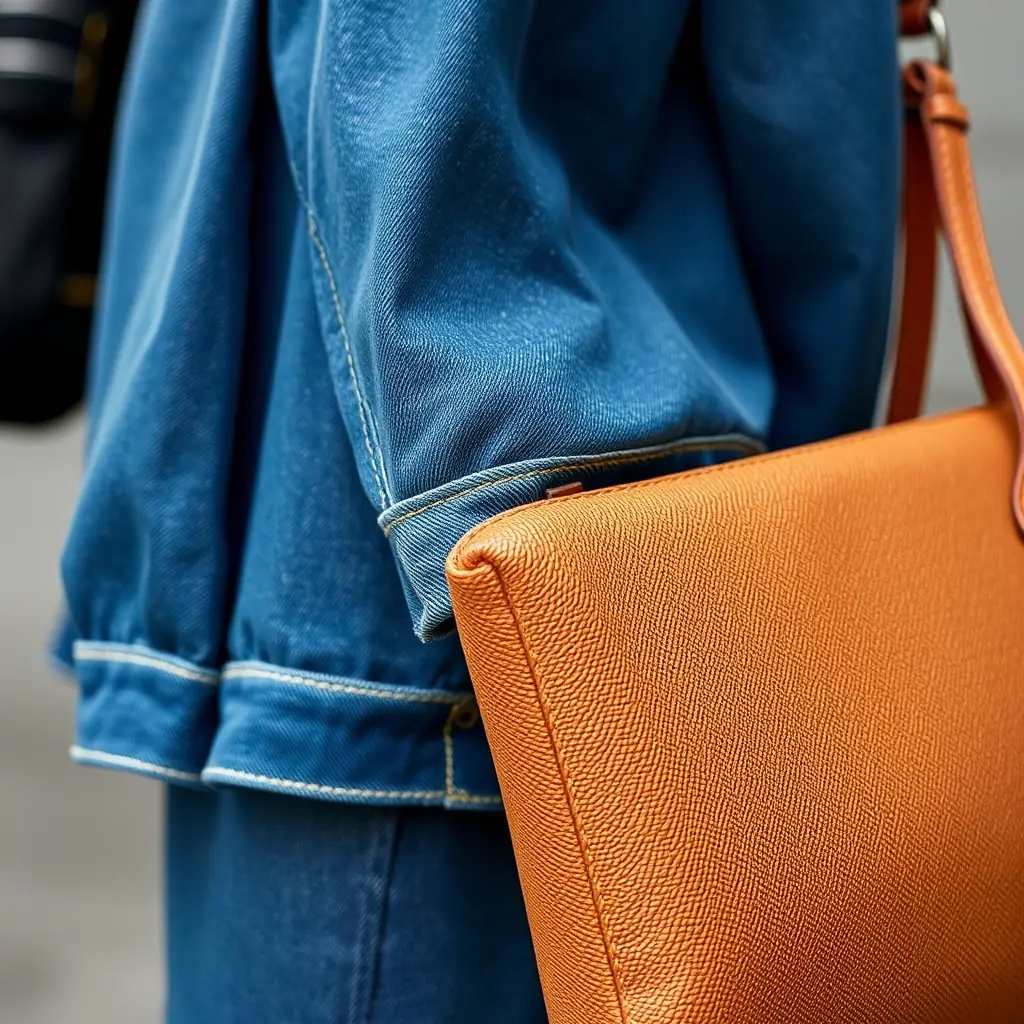
Not every fashion piece demands a big spend, but knowing where to invest can significantly boost your wardrobe’s resilience and style. I typically choose to splurge on items that are foundational in my wardrobe. For instance, a high-quality coat or a go-to pair of jeans are worth the investment due to frequent use—they need to withstand wear and wash. However, trendy items or statement pieces, like a bold-print summer dress or flashy accessories, are areas where I save. These items tend to have a shorter style lifespan, so a budget-friendly option won’t feel like a loss when the trend fizzles out. Remember, splurging doesn’t mean overspending; it’s about targeting purchases that align with frequent use and long-term satisfaction. Consider fabric durability and versatility as key indicators for spending decisions, ensuring your splurge items truly deliver on cost per wear.